


How To Manage Cash Flow In A Small Business: A Practical Guide For Owners

If you have ever looked at your revenue and thought, “So why does my cash still feel tight?” you are not alone.
Cash flow is one of those business topics that sounds technical until it becomes personal. It shows up when you are waiting on client payments, deciding whether you can hire help, wondering if you can afford marketing, or trying to pay yourself consistently without crossing your fingers. And for a lot of small business owners, that pressure is real. QuickBooks’ 2025 Late Payments Report found that over half of surveyed U.S. small businesses were owed money from unpaid invoices, averaging $17,500 each, and nearly half had invoices that were more than 30 days overdue. At the same time, NFIB reported that 25% of small business owners were borrowing regularly in February 2026, with average short-term loan rates at 8.2%.
I am writing this from the perspective of a small business owner who works on websites and social media marketing graphics for other small businesses and nonprofits, which means I see the same pattern again and again: a business can be busy, booked, and even growing, but still feel financially squeezed. This post is here to make cash flow feel less intimidating and more manageable. Not perfect. Just clearer.
Cash flow is one of the biggest day-to-day management pressures small business owners face, but it is only one part of the bigger picture. If you want a broader look at operations, team leadership, marketing, and growth too, start with my small business management guide.

Key Takeaways
Cash flow is about timing, not just totals. Revenue, profit, and cash on hand are not the same thing.
Small business cash flow problems usually come from a mix of late payments, uneven income, fixed expenses, and weak forecasting.
A simple cash flow forecast can help you make calmer decisions about spending, hiring, and growth.
If you run a service-based business, delayed invoices and inconsistent project timing can quietly create a lot of pressure.
Budgeting and expense tracking support better cash flow because they help you spot pressure early.
A cash reserve gives you breathing room, even if you build it slowly.
The goal is not to become a finance expert overnight. The goal is to create a money routine that helps your business feel steadier.
Table of Contents
What Cash Flow Really Means In A Small Business
Why Small Business Cash Flow Gets Tight So Quickly
How To Read Your Cash Flow Without Overcomplicating It
How To Create A Cash Flow Forecast For A Small Business
How To Manage Irregular Income In A Small Business
How To Handle Late Payments Without Damaging Client Relationships
How Budgeting And Expense Tracking Support Better Cash Flow
How To Build A Cash Reserve For A Small Business
Cash Flow Habits That Help Small Business Owners Feel More In Control
Common Cash Flow Mistakes Small Business Owners Make
👉What Cash Flow Really Means In A Small Business
Cash flow is not just about how much money your business earns. It is about when money comes in, when money goes out, and whether enough cash is available at the right time to keep things moving.
That is why revenue does not always make you feel safe. You can invoice a strong month and still feel stressed if the payments land late, a contractor invoice hits sooner than expected, or taxes and software renewals pile up at once. The SBA points out that a balance sheet is a foundation for managing finances because it helps you keep track of capital and provides a cash flow projection for future years. It also notes that separating and analyzing parts of the business can reveal useful patterns, such as comparing online sales to face-to-face sales.
A simple way to think about it is this:
Revenue = what you earned
Profit = what is left after expenses
Cash flow = what is actually available when bills are due
That timing difference is where most of the stress lives.
💰Why Small Business Cash Flow Gets Tight So Quickly

Small business cash flow usually does not get tight because of one huge mistake. It gets tight because several smaller issues stack up.
Late payments are a big one. QuickBooks found that among businesses more affected by late payments, 50% reported cash flow issues compared with 34% of businesses with fewer overdue invoices. And among businesses with longer payment terms, 60% reported cash flow problems, compared with 40% for those using immediate terms.
But late payments are only part of the story. Cash flow also gets squeezed by:
recurring monthly expenses
pricing that looks okay but leaves too little margin
inconsistent project timing
spending based on best-case assumptions
tax money not being set aside early enough
owner pay that happens only when there is “extra”
This is especially common in service-based businesses. A month can look busy on the calendar and still feel financially thin if deposits are delayed, invoices are staggered, or larger expenses are front-loaded.
That is why small business cash flow planning matters. It helps you stop managing money only after the pressure hits.
💡How To Read Your Cash Flow Without Overcomplicating It
You do not need a finance degree to get better visibility. You do need a repeatable rhythm.
The SBA recommends maintaining proper bookkeeping and having a basic knowledge of business finances, and it highlights the value of looking closely at money in and money out as part of sustainable decision-making.
A simple review system can look like this:
Review Timing | What To Check |
Weekly | cash on hand, invoices due this week, bills due this week, upcoming payroll or contractor payments |
Monthly | recurring expenses, total income collected, overdue invoices, tax set-asides, reserve progress, major renewals |
Here are five numbers worth checking every week:
cash currently available
invoices due in the next 7 days
bills due in the next 7 days
unpaid overdue invoices
any large one-time expense coming up soon
And here are the questions worth asking at month-end:
Did money come in when I expected it to?
Which clients or customers paid late?
Which expenses were higher than expected?
Did I move money into taxes or reserves?
What is already committed for next month?
That is enough to catch pressure earlier.
📊How To Create A Cash Flow Forecast For A Small Business
A cash flow forecast is not about predicting the future perfectly. It is about giving yourself a clearer view of what is probably coming.
This is where many small business owners overcomplicate things. A forecast does not need to be fancy.
It needs to be honest.
Start with expected income, but be careful here: do not list every hopeful lead as guaranteed revenue. Separate likely payments from possible payments. Then list your fixed and variable expenses, including software, payroll or contractor costs, taxes, subscriptions, rent, insurance, marketing, owner pay, and anything seasonal.
A simple forecast table might look like this:
Category | Expected Amount | Timing |
Client Payments | Week 1 / 2 / 3 / 4 | |
Retainers / Recurring Revenue | Monthly | |
Payroll / Contractors | Specific pay dates | |
Software / Tools | Renewal dates | |
Rent / Utilities | Monthly | |
Marketing Spend | Planned date | |
Taxes | Estimated set-aside | |
Owner Pay | Planned transfer |
The SBA’s finance guidance is useful here because it frames financial review around structure: balance sheet visibility, cash flow projection, and cost-benefit analysis for decisions. That is exactly the mindset a forecast supports.
I also recommend forecasting in three versions:
low month
expected month
strong month
That helps you make steadier decisions, especially when income is inconsistent.
If cash flow tasks keep getting delayed, missed, or handled differently every month, that is a sign they need to be documented. This guide on how to build an SOP library for a small business can help you turn recurring financial tasks into a system your team can actually follow.
🧭How To Manage Irregular Income In A Small Business
If you run a service-based business, project-based business, or nonprofit with uneven funding rhythms, irregular income is probably one of the biggest reasons cash flow feels stressful.
The key here is not pretending every month will be even. It is learning how to manage the unevenness.
That means:
using strong months to support weaker ones
avoiding big spending decisions based on one unusually good stretch
separating emergency spending from planned investment
paying yourself based on a stable system, not just emotion
QuickBooks’ Small Business Insights found that more than half of respondents said they were more productive than three months earlier, and many plan to invest in growth or efficiency, but that kind of progress only feels sustainable when cash timing supports it.
A few practical habits help:
calculate your average monthly baseline
plan around your leanest months, not your best month
collect deposits when possible
break large projects into milestone payments
avoid treating every good month as fully available cash
This is where cash flow tips for service-based businesses matter most. The goal is steadiness, not guessing.
📄How To Handle Late Payments Without Damaging Client Relationships
This is one of the most important parts of the article because late payments quietly affect everything.
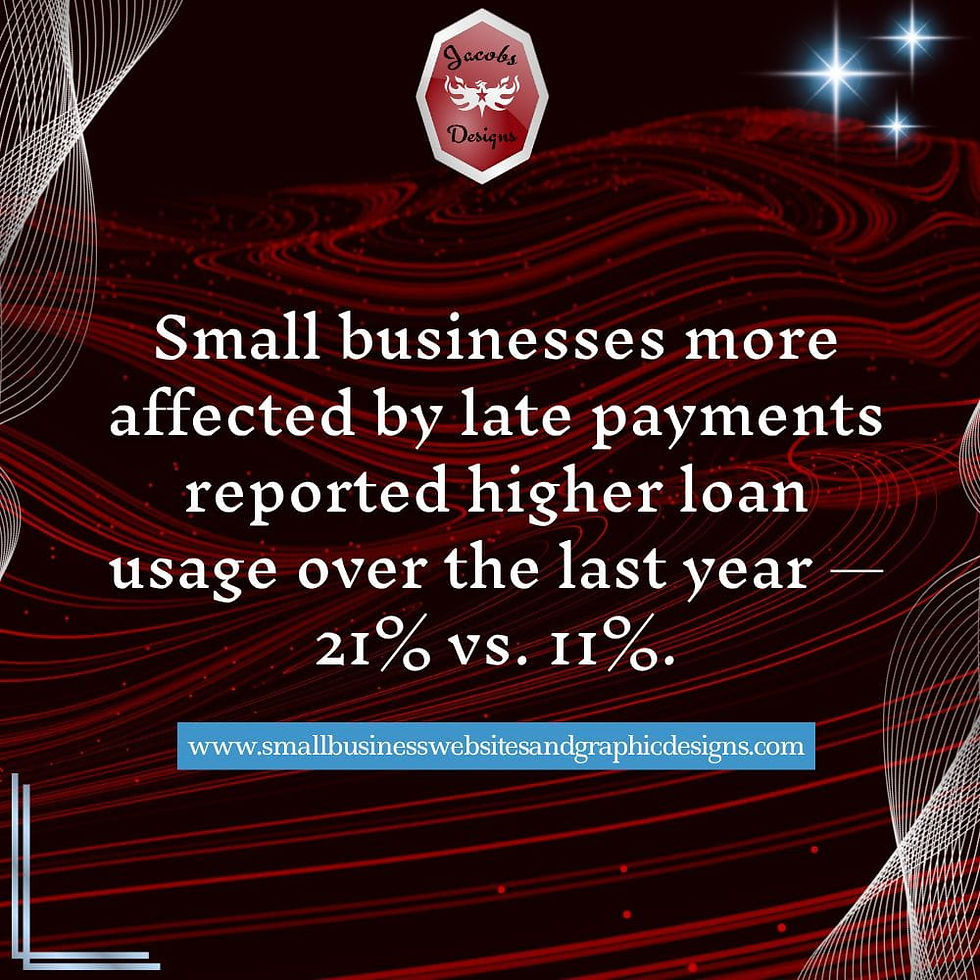
QuickBooks’ 2025 Late Payments Report found that 56% of surveyed small businesses were owed money from unpaid invoices, and 47% said a portion of their invoices were more than 30 days overdue. Businesses more affected by late payments were also more likely to rely on loans, lines of credit, and business credit cards.
The answer is not being aggressive. The answer is having a process.
A Simple Late Payment Process
Send invoices promptly
Use clear payment terms before work begins
Collect a deposit or upfront percentage when possible
Send reminders before and after the due date
Pause work when overdue balances cross your policy threshold
Keep the tone polite, direct, and consistent
Here is the part many owners skip: your payment terms are part of your cash flow system. They are not just legal fine print.
QuickBooks found that businesses with longer payment terms reported more cash flow problems than those with immediate terms. That is a strong reason to review whether your current payment timeline is helping or hurting you.
A few client-friendly ways to improve cash flow without sounding harsh:
require deposits
use milestone billing
shorten payment windows
add a “Pay Now” option when possible
send invoices at the moment value is delivered, not weeks later
You do not need to be awkward. You need to be consistent.
One of the easiest ways to improve cash flow is to stop relying on memory for invoicing and follow-up. A simple documented process can make a big difference. My post on what SOPs a small business should have first walks through how to document the workflows that keep your business running more consistently.
🧠How Budgeting And Expense Tracking Support Better Cash Flow
Budgeting gets a bad reputation because people hear “budget” and think “restriction”. But in a small business, budgeting is really about visibility.
If you are not tracking recurring expenses clearly, it is hard to know whether a cash flow problem is coming from late payments, overspending, weak margins, or simply bad timing. The SBA emphasizes categorizing expenses, looking closely at money in and money out, and using financial review to support better business decisions.
A useful small business budget usually includes:
fixed expenses
variable expenses
taxes
owner pay
contractor or payroll costs
software and subscriptions
marketing
debt payments
reserve contribution
This does not need to be complicated. But it does need to be current.
The goal is not to cut everything. The goal is to understand what is essential, what is flexible, and what is quietly draining your cash every month.
💲How To Build A Cash Reserve For A Small Business

A cash reserve gives you breathing room. It helps you deal with slow months, unexpected expenses, delayed invoices, and more cautious decision-making without panic.
That matters even more when borrowing is costly. NFIB reported that 25% of small business owners were borrowing regularly in February 2026, and average short-term loan rates were 8.2%. When financing is expensive, reserves become even more valuable.
You do not need to build a huge reserve overnight. Start smaller than your fear tells you to.
A realistic reserve-building approach can look like:
setting aside a fixed percentage of every payment received
transferring a small amount weekly
using windfall months to fund the cushion
keeping reserve money separate from day-to-day operations
Even one month of breathing room can change how you make decisions. You price differently. You negotiate differently. You sleep differently.
💪Cash Flow Habits That Help Small Business Owners Feel More In Control
Cash flow improves most when it becomes a habit, not an occasional scramble.
Here are some of the most useful habits:
review money weekly
forecast monthly
set aside tax money automatically
follow up on invoices on schedule
review recurring expenses quarterly
slow down major purchases until timing is clear
separate optimism from actual receivables
If you want to manage cash flow in a small business more confidently, that is really the shift: from reactive money decisions to routine money decisions.
❌Common Cash Flow Mistakes Small Business Owners Make
A few mistakes show up over and over:
treating revenue like cash available
ignoring overdue invoices too long
not planning for taxes
spending based on a strong month
underpricing services
having no reserve at all
not reviewing recurring expenses until cash gets tight
These are common. They are also fixable.
The important thing is to catch them early and build a system around them instead of relying on memory and willpower.
📆A Simple 30-Day Cash Flow Reset For Small Business Owners
If your cash flow feels messy right now, here is a simple reset.
Week 1
review all incoming payments
list overdue invoices
identify recurring expenses
check what is due in the next 30 days
Week 2
create a basic forecast
separate fixed and flexible expenses
review pricing and margins
decide where your tax set-aside will live
Week 3
tighten invoice and reminder timing
shorten payment terms where appropriate
add deposits or milestone billing if it makes sense
set a reserve transfer amount
Week 4
create a weekly money check-in
build a simple dashboard or spreadsheet
choose one cash flow habit you will keep
decide what needs a documented process
At that point, you do not need perfection. You need traction.
🌟Conclusion
Cash flow management is not about becoming a finance expert overnight. It is about creating enough visibility and consistency that your business feels less reactive and more stable. When you understand how money is moving in and out of your business, forecast ahead, follow up on payments consistently, track your spending more closely, and build even a small financial cushion, you put yourself in a much stronger position to make confident decisions.
The good news is that better cash flow habits do not have to be complicated. You do not need a perfect spreadsheet, a huge reserve, or a background in accounting to start improving the way you manage your business finances. You just need a clear place to begin. Start by reviewing what is coming in, what is going out, what is overdue, and what is likely to create pressure next month. Then build one steady habit at a time.
Because at the end of the day, cash flow is not just about numbers. It affects your stress level, your ability to plan, your capacity to grow, and how supported you feel as a business owner. The more intentional you become with your cash flow, the more control you create in every other part of your business.
✨FAQs
What Is The Difference Between Revenue And Cash Flow?
Revenue is the money your business earns. Cash flow is the money actually available when bills, payroll, taxes, and other obligations are due. Timing is the difference.
How Often Should A Small Business Review Cash Flow?
A weekly review is ideal for basic visibility, with a deeper monthly review for forecasting, expenses, taxes, and overdue invoices.
What Is The Fastest Way To Improve Cash Flow In A Small Business?
Usually, the fastest improvements come from tightening invoice timing, improving follow-up, shortening payment terms when possible, and reviewing recurring expenses.
How Much Cash Reserve Should A Small Business Have?
There is no one-size-fits-all number, but even a small reserve can reduce pressure. Start with a realistic first goal and build from there.
Does This Advice Apply To Nonprofits Too?
A lot of it does. While the language in this post is aimed at small business owners, nonprofit leaders also deal with uneven income, delayed payments, fixed expenses, and the need for better financial visibility.


Comments