


How Collaborating With Other Entrepreneurs Creates Win-Win Partnerships

When business is slow, it is really easy to fall into the mindset of “I just need to work harder, market more, and figure this out on my own.”
I get why that happens. When things feel uncertain, a lot of us pull inward. We tighten up. We focus on fixing everything ourselves.
But sometimes growth does not come from doing more alone. Sometimes it comes from building the right relationship with someone who serves a similar audience, shares similar values, and brings strengths you do not.
Slow seasons can feel isolating and support matters. People should lean toward community, honest connection, and practical ways to stay moving instead of spiraling. Collaboration is the next step in that process. Once trust starts to build, partnerships can grow out of those relationships in ways that help both sides.
And this matters because small businesses and nonprofits are not tiny fringe groups. According to the SBA, the U.S. had 36.2 million small businesses in 2025, accounting for almost 46% of private-sector employment. The National Council of Nonprofits also says its network connects more than 30,000 nonprofits across the country. There is a huge ecosystem of people doing meaningful work who could benefit from smarter, more aligned partnerships instead of trying to build every opportunity from scratch.
So this post is not about networking just to network. It is about learning how collaborating with other entrepreneurs can lead to win-win partnerships, stronger visibility, better referrals, and more sustainable growth.

Key Takeaways
Collaborating with other entrepreneurs can help small businesses and nonprofits reach new audiences without starting from zero.
The best win-win partnerships are built on shared values, complementary strengths, and mutual benefit.
Collaboration can take many forms, including referral partnerships, cross-promotions, co-hosted events, shared resources, and bundled services.
Not every partnership is a good fit. Clear expectations and aligned audiences matter.
For small businesses and nonprofits alike, the right partnership can create visibility, trust, momentum, and stronger long-term relationships.
Table of Contents
Why Collaboration Matters More Than People Think
What A Win-Win Partnership Actually Looks Like
Why Collaborating With Other Entrepreneurs Helps Small Business Growth
Collaboration Ideas That Make Sense For Small Businesses And Nonprofits
How To Find Complementary Business Partners In Your Community
How To Pitch A Partnership Without Making It Awkward
Best Types Of Win-Win Partnerships For Service-Based Businesses
Collaboration Ideas For Nonprofits And Mission-Driven Organizations
Red Flags That A Partnership Is Not Really Win-Win
How To Make A Small Partnership Successful
Collaboration Vs. Networking Vs. Accountability
👉Why Collaboration Matters More Than People Think
A lot of people hear the word “collaboration” and picture something big, formal, or complicated. But most of the time, collaboration is much simpler than that. It can be a referral relationship. A shared event. A cross-promotion. A workshop together. A bundled offer. A local partnership that helps both businesses get in front of the right people. That is why small business collaboration ideas for local businesses can be so powerful. They do not always require a huge budget. They often just require the right fit.
It also helps to remember that trust already plays a huge role in how people choose businesses. The U.S. Chamber says over 90% of customers trust a recommendation from a friend or family member over any form of advertising. In another U.S. Chamber piece, Alignable data is cited showing that word-of-mouth referrals are the best way for 85% of small businesses to acquire local customers. That is a big reason win-win partnerships for small business owners matter so much. Collaboration is not just about visibility. It is about trust transfer.
And honestly, that is one of the biggest reasons collaboration can feel more sustainable than nonstop self-promotion. Instead of trying to carry all the visibility alone, you are building relationships that can naturally lead to shared growth.
If business has felt especially quiet or heavy lately, this is part of the bigger conversation around staying motivated when business is slow.
💪What A Win-Win Partnership Actually Looks Like
A good partnership is not one person helping another for free while quietly hoping something comes back later.
A win-win partnership is much clearer than that.
It usually has three things:
a shared or overlapping audience
different but complementary strengths
a benefit both sides can name clearly
For example, a website designer and a copywriter may serve similar clients but solve different problems. A nonprofit consultant and a grant writer may speak to the same audience in different ways. A local café and a neighborhood bookstore may both care about community, visibility, and foot traffic, even though their offers are not the same.
That is what makes cross-promotion partnerships for entrepreneurs work so well when they are done right. You are not trying to mash two unrelated businesses together. You are looking for a natural fit.
A win-win partnership also needs clarity. That means both sides should know:
what the goal is
who is doing what
how the audience benefits
what success would look like
If those basics are missing, the partnership usually gets fuzzy fast.
🤝Why Collaborating With Other Entrepreneurs Helps Small Business Growth
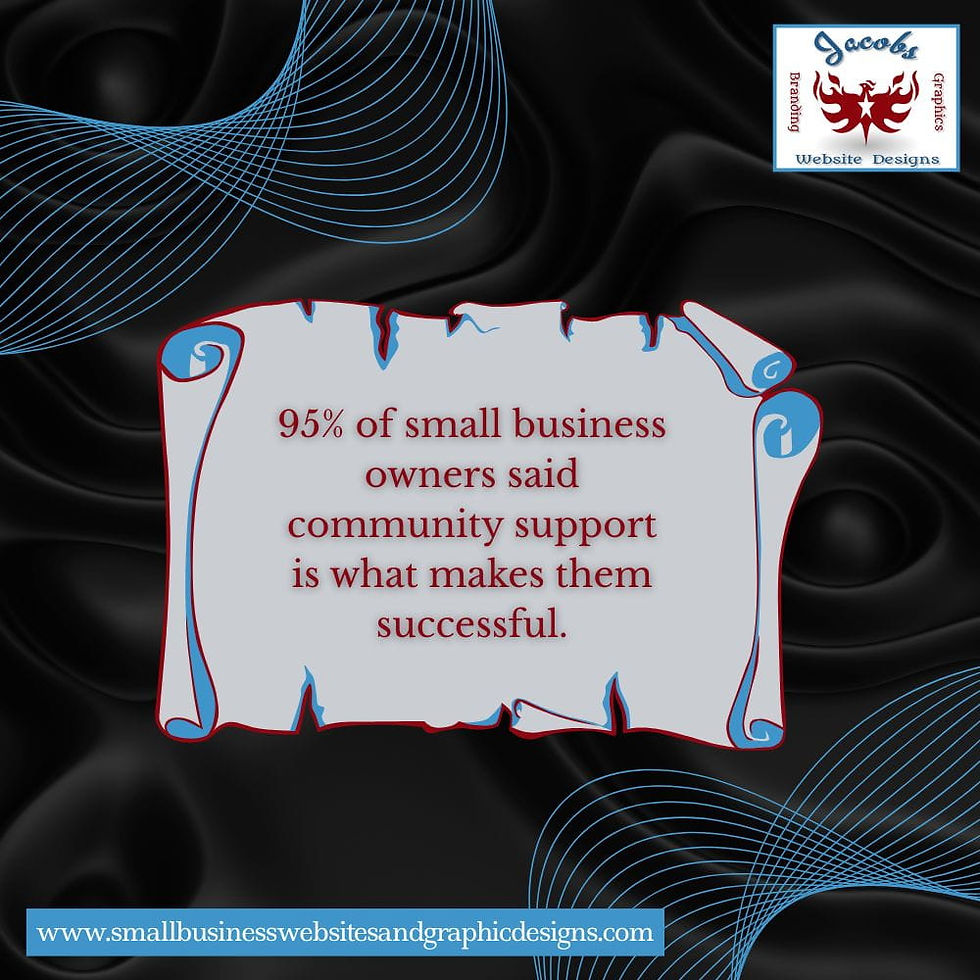
One of the biggest benefits of collaborating with other entrepreneurs for small business growth is that you are not starting from zero every time you want to get in front of new people.
You are borrowing trust, not just attention.
That matters because audience-building is slow. Credibility is slower. When you collaborate with someone your audience already trusts, or someone whose audience overlaps with yours in a meaningful way, you reduce some of that friction. U.S. Chamber guidance on partnerships specifically points to stronger marketing, long-term growth, consumer trust, and audience expansion as key reasons community partnerships can work so well. American Express also highlights that local partnerships can increase visibility, broaden audience exposure, and strengthen community ties.
This is also why referral partnerships for small business owners can be so effective. A referred lead is different from a cold lead. There is already context. There is already trust. There is often already alignment.
And for smaller businesses and nonprofit teams, that can matter a lot. You may not have massive ad budgets. You may not have a full marketing department. Shared marketing, co-hosted campaigns, and partnership-based visibility can stretch limited time and money much further than trying to do everything alone.
Here is the simple version:
What Collaboration Can Do | Why It Helps |
Expand your reach | You get in front of a warmer audience |
Increase trust | You benefit from another person's credibility |
Share marketing effort | Less pressure to create all momentum yourself |
Generate referrals | More aligned leads and conversions |
Strengthen community ties | People remember connected businesses |
That does not mean every partnership works. But it does explain why partnership marketing ideas for small businesses and nonprofits can be such a smart part of a growth plan.
💭Collaboration Ideas That Make Sense For Small Businesses And Nonprofits
This is where collaboration gets more real.
You do not need to overcomplicate it. Here are practical collaboration ideas that actually make sense.
Referral Partnerships
This is one of the easiest places to start. If you know another business that serves a similar audience but solves a different problem, referrals can be a very natural fit.
Examples:
website designer + brand photographer
nonprofit consultant + grant writer
social media manager + email marketer
event planner + florist
Joint Workshops Or Webinars
These work well when both parties bring useful expertise to the table. They also help position both businesses as helpful, credible resources.
Co-Hosted Events
This could be a local pop-up, a community event, a nonprofit fundraiser, a panel conversation, or an educational session.
Shared Giveaways Or Campaigns
These are especially good for audience growth and social visibility when the brands feel aligned.
Bundled Services Or Shared Offers
A designer and copywriter might create a website launch package. A consultant and trainer might offer a joint workshop. A nonprofit and local business might co-create a campaign around a shared cause.
Resource Sharing
For nonprofits especially, strategic collaborations can include shared facilities, tech, office space, staff expertise, or outreach capacity. Guidance on nonprofit strategic alliances often emphasizes shared resources, efficiency, and stronger mission impact as core reasons to collaborate.
Not every idea is right for every business. The goal is not to do all of them. The goal is to pick one that feels aligned and realistic.
📌How To Find Complementary Business Partners In Your Community
A lot of people overthink this step. They assume they need to meet someone impressive, influential, or perfectly established.
You do not.
You need someone who makes sense.
When you are figuring out how to find complementary business partners in your community, start by asking:
Who already serves the same audience I serve?
Who solves a different problem than I do?
Whose values feel aligned with mine?
Who communicates in a way that feels genuine and professional?
Who would make the customer or client experience better, not more confusing?
That is why collaboration often grows best out of supportive business communities in the first place. When you meet people through networking groups, coworking spaces, nonprofit circles, referrals, or peer communities, there is already some context there. The partnership does not have to begin as a cold pitch. It can begin as a real relationship. That lines up closely with the U.S. Chamber’s advice to build community partnerships through real connection and not trying to do everything alone.
Local partnerships can be especially strong if you are community-based, service-based, or nonprofit-focused. But online partnerships can work beautifully too, especially when the audience overlap is strong.
A lot of the best partnerships start inside supportive business communities where trust and real relationships are already being built.
✍How To Pitch A Partnership Without Making It Awkward
This is the part people usually dread.
The good news is that a partnership pitch does not need to sound polished or corporate. It just needs to sound thoughtful.
The easiest way to make it less awkward is to lead with the shared benefit instead of making it all about what you want.
A simple structure looks like this:
Start with why you thought of them specifically.
Mention the audience overlap or shared mission.
Suggest one simple idea.
Keep the “ask” low-pressure.
Example:
“I’ve really enjoyed watching how you support local nonprofit leaders, and I think our audiences overlap in a really natural way. I wondered if you’d ever want to collaborate on a short workshop or shared resource that could benefit both communities.”
That works because it is specific, respectful, and easy to respond to.
You do not need a huge pitch deck for a small collaboration. You need clarity.
🧠Best Types Of Win-Win Partnerships For Service-Based Businesses
As someone who works in websites and social media graphics, I think service-based businesses have some of the easiest collaboration opportunities because the partnerships can feel genuinely helpful to clients.
Here are a few examples:
Business Type | Good Collaboration Partner | Why It Works |
Website Designer | Copywriter | Clients often need both at the same time |
Social Media Designer | Photographer | Better visuals create stronger content |
Brand Strategist | Web Designer | Messaging and design support each other |
Nonprofit Consultant | Grant Writer | One strengthens strategy, one supports funding |
Bookkeeper | CPA or Financial Coach | Services complement each other naturally |
These kinds of co-hosted events and joint marketing campaigns for small business growth can be especially strong because they feel useful, not random.
If you both help the same kind of client in different ways, collaboration is often a natural extension of good service.
📗Collaboration Ideas For Nonprofits And Mission-Driven Organizations
Nonprofits belong in this conversation too.
Sometimes people think of partnerships only in terms of business growth, but collaborative partnerships for nonprofit organizations and small teams can be just as strategic and valuable. Boardsource describes strategic alliances among nonprofits as mutually beneficial relationships intended to strengthen mission and impact through a common purpose. Other nonprofit partnership guidance highlights benefits such as shared facilities, shared tech, staff capacity, efficiency, and stronger service delivery.
That can look like:
shared community events
co-branded awareness campaigns
shared program delivery
joint grant opportunities
volunteer partnerships with local businesses
shared educational resources
And for mission-driven organizations, collaboration can also help reduce duplication. Instead of five groups trying to solve the same problem separately, strategic alliances can help organizations share effort and deepen impact.
That does not mean every nonprofit should partner with every business or every other organization. It does mean partnership is often a real capacity-building strategy, not just a nice idea.
❌Red Flags That A Partnership Is Not Really Win-Win
Not every opportunity is a good one.
A few red flags:
one person is doing all the work
the audiences do not actually overlap
the goals are vague
the other person only shows up when they need something
the collaboration sounds good on paper but feels forced in real life
communication is inconsistent or confusing
A good partnership should feel energizing and useful. It may require effort, of course, but it should not feel like babysitting or guessing.
You should also pay attention to values. If a person’s communication style, follow-through, or priorities make you uneasy now, that usually does not improve once you are tied together in a project.
💰How To Make A Small Partnership Successful
The best partnerships often start smaller than people expect.
Not with a six-month campaign.
Not with a giant launch.
Not with a complicated agreement.
Start with one simple thing.
Here is a good starter checklist:
choose one clear goal
define the audience
assign responsibilities
decide on a timeline
agree on how you will communicate
review what worked after it is done
That is it.
A first collaboration could be:
one Instagram Live
one webinar
one co-written resource
one shared email feature
one referral test
one local event
Small wins build trust. Trust builds stronger partnerships.
And if you know you need more follow-through while building those relationships, accountability partners can help you stay consistent.
🎯Collaboration Vs. Networking Vs. Accountability

These three things are connected, but they are not the same.
Networking helps you meet people.
Accountability helps you follow through.
Collaboration helps you build something together.
First, you find supportive business communities. Then you build stronger one-to-one support through accountability. Then shared work helps you stay focused. And from there, the right relationships can naturally grow into collaboration.
That is a much healthier path than trying to force partnerships out of cold, transactional networking.
If you do your best work with more structure and shared momentum, co-working spaces and accountability pods can help those connections grow more naturally.
🌟Final Thoughts About Partnerships
You do not have to create every opportunity alone.
That is really the heart of this whole post.
Sometimes the most strategic thing you can do is stop asking, “How do I reach more people by myself?” and start asking, “Who already serves the same people in a different but complementary way?”
The right partnership can help you expand your reach, build trust faster, create better client experiences, and make business feel a little less heavy. And for nonprofits, the right alliance can strengthen impact, improve efficiency, and make limited resources go further. Current partnership guidance for both small businesses and nonprofits keeps coming back to the same idea: the best collaborations are rooted in shared purpose, mutual value, and clear communication.
So if business feels slow right now, or if visibility has felt harder than usual, this may be the season to look beyond solo effort. Not because you cannot do it alone, but because you might not need to.
✨FAQs About Partnerships
What does collaborating with other entrepreneurs actually mean?
It means working with another business owner or organization in a way that benefits both sides. That could include referrals, joint events, cross-promotions, bundled services, co-created resources, or shared campaigns.
How do I find the right business partner for a collaboration?
Look for someone who serves a similar audience but offers something different. The best fit is usually a complementary business partner with shared values, clear communication, and a natural audience overlap.
What are examples of win-win partnerships for small business owners?
Good examples include referral partnerships, co-hosted workshops, bundled service packages, joint giveaways, and local business cross-promotions. U.S. Chamber and American Express partnership guidance both highlight audience expansion, stronger visibility, and shared marketing as key benefits.
Can nonprofits benefit from collaborations too?
Yes. Nonprofit strategic alliances can help strengthen mission impact, share resources, reduce costs, and improve service delivery. Boardsource and other nonprofit-focused guidance describe partnerships as a meaningful way to increase efficiency and expand impact.
What is the difference between collaboration and networking?
Networking is about meeting people and building relationships. Collaboration is when those relationships turn into a shared project, campaign, resource, or referral system with clear mutual benefit.
How do I know if a partnership is not a good fit?
Usually the warning signs are pretty clear: vague expectations, poor communication, mismatched audiences, one-sided effort, or a relationship that feels more draining than supportive.


Comments