


How to Create a Referral Program for Small Businesses That Attracts Loyal Customers

If you’re running a small business, chances are you’ve felt the pressure to pour money into paid advertising — from Facebook and Instagram to Google Ads — just to get noticed. But what if I told you there’s a more affordable, more authentic way to grow your client base? One that doesn’t rely on constant spending, complicated tech, or hoping an algorithm favors your latest post?
Welcome to the power of referral marketing — a strategy that helped me move from inconsistent leads to a steady stream of warm, ready-to-work-with-me clients. When happy customers start saying things like, “Hey, my friend told me you designed her site, and it’s amazing,” that’s not just good for business — that’s gold. And guess what? You can create that same momentum in your own business, without a big budget or marketing team.
In this guide, I’ll show you exactly how to build a referral program that feels natural, fits your brand, and actually works — using free tools, creative reward ideas, and simple systems that scale with you. Whether you’re just starting out or looking to strengthen your existing client relationships, this step-by-step approach will help you turn happy clients into loyal advocates.

Key Takeaways
Referral programs are one of the most affordable marketing strategies for local businesses
People trust personal recommendations more than any form of advertising
You don’t need fancy tools — a spreadsheet and some email templates are enough
Keep rewards simple, valuable, and easy to understand
Always track referrals and reward people promptly
A great referral program is about relationships, not just transactions
Table of Contents
Why I Chose Referral Marketing Over Paid Ads
What Makes Referral Programs Work So Well
Step-by-Step Guide to Launching a Referral Program
Ways to Get More Referrals Without Spending Money
Reward Ideas That Don’t Break the Bank
Automating Your Referral Program with Free Tools
Referral Program Mistakes to Avoid
🔑Why I Chose Referral Marketing Over Paid Ads (And Why You Might Want To, Too)
I’ll be honest — when I first started my business designing websites and creating social media marketing graphics for other small businesses, I thought I had to run ads to get noticed. You know, the usual suspects: Facebook, Instagram, even a few Google Ads here and there. And sure, I got a few clicks. Maybe a client or two. But what I didn’t get was consistency.
What changed everything for me? Referrals. Those “Hey, my friend said you helped her with her website and it looks amazing” messages. Or a DM saying, “You did a logo for my coworker and I want one just like it.” That’s when I realized: people trust people more than they trust ads.
Paid Ads Aren’t the Enemy — But They’re Not a Long-Term Strategy (For Everyone)
Don’t get me wrong, paid advertising has its place — especially for big launches or e-commerce campaigns. But for service-based small businesses like mine (and maybe yours), it's not always the most cost-effective option. Referral marketing, on the other hand, is one of the most affordable marketing strategies for local businesses because it leverages relationships you already have.
Trust is Your Superpower
Referral marketing works because it’s built on trust. When someone recommends your service, they’re vouching for your work — and that’s powerful. In fact, studies have shown that people are four times more likely to buy when referred by a friend. That’s huge when you’re trying to grow organically and keep your marketing spend low.
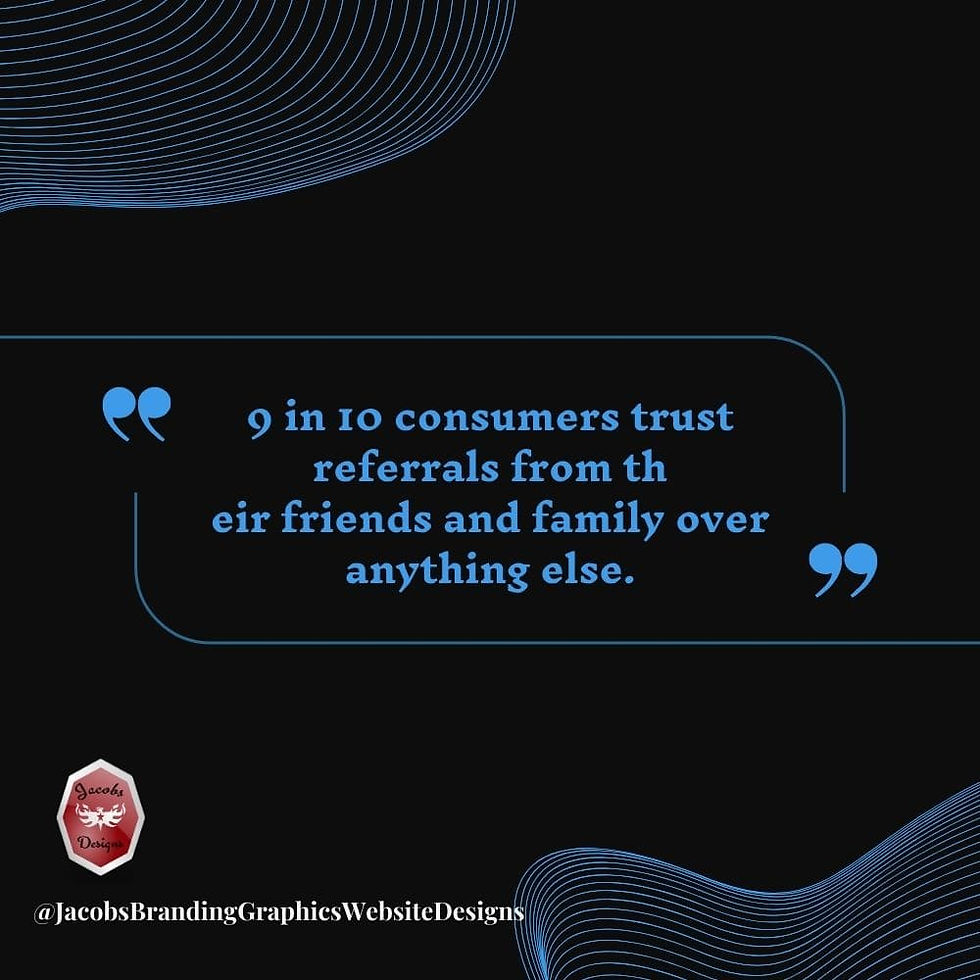
92% of consumers trust referrals from friends and family more than any form of advertising — a clear nod to why referral marketing builds genuine credibility. So if you’re wondering how to create a referral program for small business that feels natural, budget-friendly, and sustainable — I’ve got you. That’s what this blog is all about.
💼What Makes Referral Programs Work So Well for Small Businesses Like Ours
If you’re anything like me, you don’t have a massive marketing budget — and frankly, even if I did, I’d still want to make sure every dollar is doing real work. That’s why referral programs are such a win for small businesses: they combine trust, community, and value without requiring a lot of upfront spend.
Here’s why they just make sense:
🔍 1. Built-In Trust From the Start
People trust recommendations from friends more than ads — period.
A Nielsen study found 92% of consumers trust referrals from people they know over all other forms of advertising.
🤝 2. Warmer Leads Mean Easier Conversions
Referred leads already believe in your business because someone they trust said good things.
That means less “convincing” and more relationship-building.
You’re not starting at zero — you’re starting halfway to “yes.”
💸 3. Cost-Effective (Even Free)
You can structure a referral program without spending anything up front.
Ideas like “10% off your next service” or “free upgrade for both parties” work wonders.
This is one of the best ways to get more referrals without spending money.
📈 4. It Grows With You
As your business grows, so does your referral network.
It becomes a snowball effect: more clients = more referrals = more clients.
This is the true power of how referral programs increase customer loyalty — they create a loop.
🧠 Visual Breakdown: Why Referrals Work
Factor | Referral Marketing | Paid Ads |
Trust Level | Very High (peer-to-peer) | Low to Medium |
Cost | Low to None | Can be expensive |
Lead Quality | High (warm leads) | Medium to Low (cold traffic) |
Long-Term Impact | Compounding over time | Temporary unless maintained |
Setup Time | Simple | Technical |
ROI | Often Higher | Varies greatly |
You don’t need a fancy tech stack or a huge following to build a successful referral program — just a clear offer, a way to track it, and a good customer experience people want to share.
📌Step-by-Step Guide to Launching a Referral Program That Actually Works

Alright, let’s get into the nitty-gritty. If you’ve ever felt overwhelmed trying to figure out how to create a referral program for small business, you’re not alone. I promise it doesn’t have to be complicated — and you definitely don’t need to hire a tech team to make it happen. Double‑sided referral programs (rewarding both referrer and referred) are highly effective—over 78% of referral schemes use this model to encourage participation.
Here’s a step-by-step roadmap that’s worked for me and a few of my clients:
✅ Step 1: Set a Clear Goal
Ask yourself:
Do you want more leads?
More sales?
Better brand awareness?
👉 Example: “I want to get 5 new client referrals per month from my existing customers.”
✅ Step 2: Decide on the Reward
This part matters — a lot. People need a reason to refer. Some reward ideas for small business referral programs include:
A discount on future services
A free product or add-on
Cash (if your margins allow)
Gift cards
Exclusive access to something special
🎯 Keep it simple and relevant to your business. Make sure it’s something you’d be excited to receive!
✅ Step 3: Choose Your Delivery Method
You don’t need fancy software. Here are free or affordable ways to run your referral program:
Google Forms + Email follow-up
A simple landing page on your website
Email templates for sharing with clients
Trello or Airtable to track progress
This is where automating your referral program with free tools can save you time.
✅ Step 4: Make It Easy to Share
The more effort someone has to put in, the less likely they are to follow through.
Create a referral link or template message they can copy/paste
Provide swipe files for email or social
Encourage them to tag you when they refer someone online
✅ Step 5: Promote It Like You Mean It
You’ve got a great referral program — now get it in front of people!
Add it to your email signature
Include it in your client onboarding or offboarding process
Post about it on social media regularly
Mention it during client check-ins
✅ Step 6: Track and Thank Every Referral
Tracking customer referrals for small businesses doesn’t need to be high-tech. Just consistent.
Use a spreadsheet or free CRM to log referrals
Follow up and thank referrers personally
Deliver rewards quickly — this builds trust and encourages more sharing
✅ Step 7: Test, Learn, and Tweak
Your first version doesn’t need to be perfect. In fact, it shouldn’t be.
Track what works
Ask for feedback from clients
Adjust your rewards or messaging based on what feels natural
📌 Remember: even the best systems need a little tuning now and then.
Launching a referral program doesn’t need to feel overwhelming. Think of it as creating a mini marketing machine powered by the people who already love what you do.
💡Ways to Get More Referrals Without Spending Money
Let’s be real: not everyone has a budget for fancy giveaways or hefty referral bonuses — and that’s okay. You can still build a thriving referral program using what you already have: your reputation, your service, and a little creativity.
Here are practical, zero-dollar strategies I’ve personally used (and seen others use successfully) to grow through referrals:
💬 1. Simply Ask (But Do It Right)
Most people don’t refer you because they forget — not because they don’t want to.
Here’s how to ask customers for referrals without being pushy:
Ask at the right time — like after a project wraps up or after a compliment
Keep it casual: “Hey, if you know anyone else who needs a website like this, I’d love to help them too!”
Include a referral note in your invoices or email signatures
🔁 Pro Tip: Don’t just ask once. Mention it naturally every now and then in your conversations, social posts, or newsletters.
💡 2. Turn Testimonials Into Referral Opportunities
If a client leaves you a great review, follow up!
Thank them personally
Let them know about your referral program
Ask if they know someone who could use your help
✅ This is a great way to transition from social proof to active referrals — without spending a dime.
📱 3. Share Your Client Wins (and Tag Them)
Post before/after photos of client projects
Share behind-the-scenes stories or results
Tag your clients (with permission)
📣 When they reshare your post, their audience sees what you do — that’s a referral in disguise.
✨ 4. Offer “Non-Monetary” Incentives
Sometimes recognition is just as powerful as a reward:
Feature your top referrers on your website or social media
Send handwritten thank-you cards
Give them a shoutout in your newsletter
🧡 People love being appreciated, and these small gestures cost almost nothing.
🗣️ 5. Partner With Other Small Businesses
Create a referral circle with other freelancers or service providers who serve the same audience.
Example: I partner with a copywriter. When she’s helping someone with a brand message, she refers them to me for design — and I do the same for clients who need words.
It’s collaborative and totally free.
🔄 6. Stay in Touch With Past Clients
Out of sight = out of mind. Keep your name top of mind with:
Occasional check-ins
Value-packed emails
Holiday cards or thank-yous
📬 This friendly outreach often reminds people to refer you to someone new.
You don’t have to spend big to grow big. By being intentional, helpful, and visible, you’ll naturally invite referrals — without needing a single ad or dollar spent.
🤝Reward Ideas That Don’t Break the Bank (But Still Feel Valuable)
You don’t need to throw cash around to motivate referrals — especially when your audience is full of other small business owners who get it. What matters most is that the reward feels thoughtful, relevant, and easy to redeem.
Here are budget-friendly reward ideas for small business referral programs that your clients will actually appreciate:
🎁 1. Service Discounts
Probably the most common and easiest to implement:
10–20% off the next service for both the referrer and the new client
“Refer 3 friends, get your next month free”
$50 credit toward your next project
✅ Great for freelancers and service providers.
🎨 2. Free Upgrades
Instead of money off, offer more value:
A free extra graphic or design revision
A priority spot in your production schedule
An add-on that’s normally billed separately
People love to feel like they’re getting “VIP” treatment — even if it doesn’t cost you much extra.
🛍️ 3. Gift Cards (With Strategy)
You don’t need to go big — even a $10–$25 gift card shows appreciation. Choose:
Local businesses to keep things community-oriented
Online tools your clients already use (like Canva, Zoom, etc.)
📝 Pro Tip: Pair this with a handwritten note for extra impact.
🧩 4. Exclusive Content or Perks
Offer something your regular clients don’t get:
Free templates, checklists, or downloads
Access to a live Q&A or training
“Inner Circle” status with sneak peeks or first dibs on booking
🎉 This adds value without taking dollars out of your pocket.
💬 5. Social Shoutouts
Public praise can be more valuable than cash:
Share a story about your top referrer on Instagram or LinkedIn
Link to their business and send some traffic their way
Thank them publicly in your newsletter or blog
🔄 This doubles as networking and exposure — a win-win.
⚡ Bonus Idea: Let Them Choose
Sometimes, giving options works best. Create a “referral reward menu”:
Discount or upgrade
Gift card or donation in their name
Entry into a quarterly prize drawing
🎯 Flexibility = more participation.
Referral rewards don’t need to be flashy. They just need to show your clients that you see them, value their support, and appreciate them spreading the word.
📗Automating Your Referral Program with Free Tools
Running a referral program doesn’t mean adding more to your already-full plate. If you’re managing your own marketing, client work, and admin (like most of us small biz folks), the key is automation — and luckily, you don’t need to spend a dime to do it well.
Here’s how you can streamline your referral process using free tools that are easy to set up and maintain:
📝 1. Use Google Forms to Collect Referrals
Create a simple form asking for the referrer’s name, email, and their referral’s contact info
Add a short message that explains the reward
Embed the form on your website or link to it in emails and social posts
✨ Bonus: Set up email notifications so you know instantly when someone submits.
📬 2. Automate Follow-Ups with Email Tools
If you’re using tools like:
Mailchimp (free up to 500 contacts)
MailerLite or ConvertKit Free
You can:
Send automated thank-you emails to referrers
Remind clients of the referral program monthly
Deliver rewards with a personalized touch
📊 3. Track Everything with Airtable or Google Sheets
Keep a clean record of:
Who referred who
When they submitted
If the referral converted
Whether the reward was delivered
🎨 Use filters and color-coding to make it easy to manage at a glance.
🔁 4. Create Reusable Templates and Swipe Files
Set up:
A saved email you can quickly customize and send
A referral message your clients can copy/paste
Social media captions they can share
🧠 Think of it as building a mini-referral toolkit — once created, you can use it forever.
🔗 5. Use Link Shorteners for Sharing
Make it easy and trackable:
Use Bit.ly or Short.io (free) to create a clean, branded referral link
Track how many people are clicking
📢 This is super helpful if you’re running a promo or testing what platform works best (Instagram, email, etc.).
⚙️ Optional: CRM or Project Management Tools
Already using Trello, Notion, or ClickUp? Add a “Referrals” board or database to:
Log leads
Track conversations
Schedule reward delivery tasks
💡 Automation doesn’t mean impersonal — it means efficient. It frees up your brain space to focus on what matters most: creating amazing work and deepening your client relationships.
✅Tracking Customer Referrals for Small Businesses
Now that you’ve got a referral program in place — and maybe even automated — it’s time to keep track of what’s actually working. Why? Because if you can’t measure it, you can’t improve it. Data shows companies with referral programs report higher conversion rates, faster closing times, and increased customer lifetime value.
Luckily, tracking referrals for a small business doesn’t need to be complicated or expensive.
Here’s how I (and many of my clients) keep it simple:
📒 Use a Spreadsheet (Seriously)
Google Sheets or Excel can go a long way. Start with these columns:
Referrer Name | Referral Name | Date Submitted | Converted ? | Reward Sent ? | Notes |
Jane D. | Mike T. | August 2, 2025 | ✅ Yes | ✅ Yes | Loves logos |
✅ This system works great for solopreneurs and freelancers.
🧩 Use CRM Tools if You’re Ready for More
If you already use a CRM like:
HubSpot Free
Zoho CRM
Wix CRM
You can:
Tag contacts as “Referrer” or “Referral”
Log activity and status within your pipeline
Generate insights over time
This helps you:
Stay on top of reward delivery
See which referrers are your top performers
Track conversion rates over time
📊 Set Goals and Review Monthly
Want your referral program to actually grow your business? Make it a monthly habit to:
Count how many new leads came from referrals
Track which channels (email, social, DMs) are performing best
Calculate your conversion rate (referrals → paying clients)
Check how quickly rewards are being delivered
📆 Even 30 minutes a month spent reviewing this can make a big impact.
🙌 Keep It Human
Yes, automation and tracking help, but don’t forget the human touch:
Send thank-yous quickly
Celebrate your best referrers
Ask for feedback on your program
❤️ Referral marketing is a relationship game — track what matters, but never forget the people behind the data.
A simple tracking system keeps you organized, accountable, and more likely to grow — one happy client at a time.
🔎Referral Program Mistakes to Avoid

Let’s be honest — I’ve made some of these myself. Setting up a referral program isn’t just about launching it; it’s about making sure it works. So before you roll yours out (or if you’ve already started and it’s a little…meh), here are some common pitfalls to watch out for:
❌ Mistake 1: Not Clearly Explaining the Program
If your clients don’t understand:
How it works
What they get
How to refer someone
...they won’t use it. Make the process crystal clear in plain language.
👉Fix it:
Use a one-page PDF, a short explainer email, or a quick Loom video walking them through the referral steps.
❌ Mistake 2: Making It Hard to Share
If your clients have to jump through hoops to refer someone, they won’t. Keep it friction-free.
👉Fix it:
Provide ready-to-copy referral messages
Give them a personal referral link
Allow referrals by email or DM
❌ Mistake 3: Waiting Too Long to Deliver Rewards
Referrals are built on trust — so is follow-through.
👉Fix it:
Deliver rewards fast. Even if you’re waiting for the referral to convert, send a “thank you for referring” note right away.
❌ Mistake 4: Forgetting to Say Thank You
This is a relationship-builder. If someone thinks of you enough to recommend you, that deserves recognition.
👉Fix it:
Always say thank you — via email, a voice note, a handwritten card, or even a social media shoutout.
❌ Mistake 5: Offering the Wrong Incentives
If the reward doesn’t feel valuable or relevant, people won’t be motivated.
👉Fix it:
Choose incentives that match your brand and audience. Better yet, let them pick from a few options.
❌ Mistake 6: Not Tracking Anything
You need to know what’s working and what’s not.
👉Fix it:
Even a simple spreadsheet is better than nothing. Keep track of who referred whom and when rewards were given.
Avoiding these mistakes will help your referral program feel less like a chore — and more like a natural, joyful part of your business growth.
🎯Examples of Successful Small Business Referral Programs
Need a little inspiration before you build your own? Here are a few real-world examples (from small business owners like us!) that prove a referral program doesn’t need to be flashy to be effective.
🧼 1. The Local Cleaning Service: “Refer a Neighbor, Get a Free Room”
A solo cleaning professional offered her regular clients a simple reward:
If they referred a neighbor or friend, they got one free room cleaned on their next appointment.
📈 Result? She booked solid within 3 months — with no ad spend.
Why it worked:
Low cost for the cleaner (she’s already at the home)
High value for the client
Easy to explain and act on
💇 2. The Hair Stylist: “VIP Referral Club”
A local stylist built a “VIP Referral Club” where:
Every referral = a punch on a digital card
After 3 referrals = free haircut or color upgrade
Plus exclusive invites to styling events
Why it worked:
It felt like a game
Clients loved being part of an inner circle
It rewarded loyalty and encouraged repeat visits
📸 3. The Photographer: “Shoutout + Print Credit”
One photographer gave:
$25 in free print credit for every referral
A thank-you post featuring the referrer (and a tag!) on Instagram
It led to:
Higher engagement on her posts
More client bookings through word-of-mouth and social shares
These examples of successful small business referral programs all have one thing in common:
👉 They fit the business owner’s workflow, audience, and budget.
You don’t have to copy them — just adapt what feels right for your business and your clients.
🖐Final Thoughts: Build Relationships, Not Just a Referral Program
At the end of the day, referral marketing isn’t just about getting more clients. It’s about creating a business that people want to tell others about.
That means:
Doing great work
Treating people with kindness and respect
Making it easy (and rewarding) for others to share your name
Your referral program doesn’t have to be perfect. It just has to be genuine.
🎯 My challenge to you:
Set up your referral program this week — even if it’s just a Google Form and a few emails. You’ve got this.
Want help designing a referral-ready website or branded graphics that make sharing easy?
✨FAQs
How do I create a referral program for a small business with no budget?
Use free tools like Google Forms and Sheets. Offer rewards like small discounts, free upgrades, or social media shoutouts — things that feel valuable but cost little.
How do I ask customers for referrals without sounding pushy?
Ask at natural moments — like after a successful project or positive feedback. Use friendly, low-pressure language like:
"If you know someone who needs a website like this, I’d love to help them too!"
What’s the best reward for a referral program?
There’s no one-size-fits-all. Try offering a menu of rewards like a discount, freebie, or service upgrade. The best reward is one your audience actually wants.
How do I track referrals manually?
A simple Google Sheet works wonders. Log who referred whom, when, whether they converted, and if the reward has been sent.
Is referral marketing better than paid advertising?
For small service businesses, yes — most of the time. Referrals bring in warmer leads, cost less, and build long-term trust. Paid ads work best when paired with a solid organic base.


Comments