


FTC Reviews And Testimonials Rule: What Small Businesses Need To Know

If you use reviews or testimonials anywhere in your marketing, this matters.
That includes your website, Google Business Profile, social media graphics, proposal pages, emails, sales pages, and even the screenshots you share from happy clients or supporters. The FTC’s Consumer Reviews and Testimonials Rule took effect on October 21, 2024, and the agency says it targets deceptive and unfair conduct involving consumer reviews and testimonials. In December 2025, the FTC also sent warning letters to 10 companies about possible violations, including fake reviews and incentives tied to 5-star ratings.
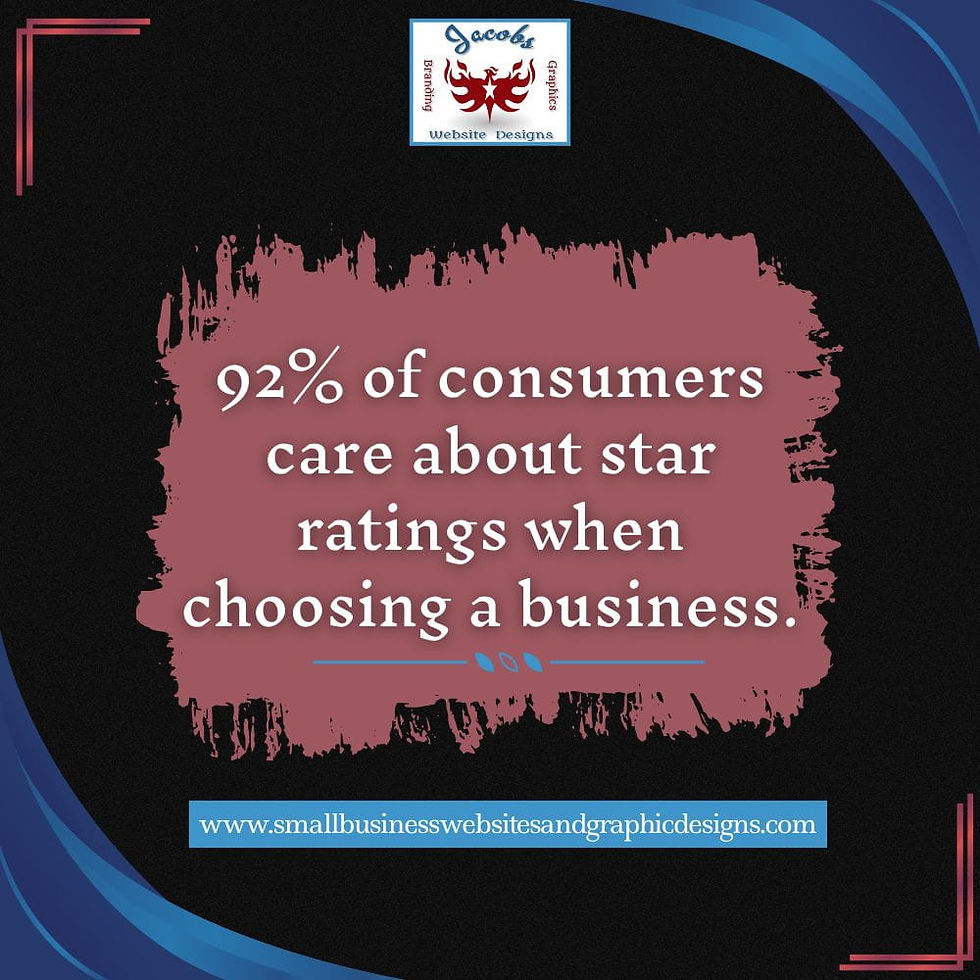
As a small business owner who designs websites and social media marketing graphics for other small businesses and nonprofit organizations, I see how much people lean on social proof before they reach out. That is not changing. BrightLocal’s 2026 Local Consumer Review Survey says 68% of consumers won’t use a business rated below 4 stars, and 31% will only use a business with 4.5 stars or higher. So yes, reviews matter. But the way you collect and use them matters too.
Reviews and testimonials are only one part of building trust online. If you want the bigger picture on authenticity, transparency, ethical marketing, AI, and donor confidence, read my Authenticity & Ethics in Small Business and Nonprofit Marketing: A Practical Guide to Trust, Transparency, Reviews, AI, and Donor Confidence.
This post is not legal advice. It is a practical, plain-English guide to what small businesses and nonprofits should pay attention to if they want to use reviews and testimonials ethically, protect trust, and avoid marketing habits that can backfire.

Key Takeaways
The FTC Reviews and Testimonials Rule is now in effect, and it applies to deceptive review and testimonial practices.
Fake reviews, false testimonials, undisclosed insider testimonials, and incentives tied to a specific sentiment can create real risk.
Small businesses are not too small to care about this rule, especially if reviews drive leads and trust.
General requests for honest reviews are different from paying for a 5-star review.
Website testimonials deserve extra attention because the FTC treats testimonials you publish as advertising or promotional messages.
The safest long-term strategy is also the strongest trust strategy: use real feedback, present it honestly, and stop trying to manufacture credibility.
Table of Contents
What The FTC Reviews And Testimonials Rule Is
Why This Rule Matters For Small Businesses And Nonprofits
What Review And Testimonial Practices The FTC Prohibits
Can You Ask For Reviews Or Offer Incentives
What This Means For Website Testimonials
What Counts As A Red Flag In Real Life
How To Stay Compliant Without Sounding Robotic
A Simple Review And Testimonial Checklist For Small Businesses
What To Fix First If You Are Not Sure Your Current Reviews Are Safe
👉What The FTC Reviews And Testimonials Rule Is
The FTC’s rule is called the Rule on the Use of Consumer Reviews and Testimonials. The FTC says it addresses deceptive and unfair conduct involving consumer reviews and testimonials, and the rule took effect on October 21, 2024. The FTC also says the rule allows courts to impose civil penalties for knowing violations.
In practical terms, this is the government saying: if a business is using fake, false, or misleading review-based marketing, the risk is more concrete now.
That matters because reviews and testimonials are not some side detail anymore. For a lot of small businesses, they are part of the sales process. For nonprofits, supporter or donor testimonials can shape credibility and trust just as much as a polished mission statement. The FTC’s own guidance makes clear that testimonials are considered advertising or promotional messages.
📗Why This Rule Matters For Small Businesses And Nonprofits
It is easy to assume this is mainly a problem for giant ecommerce brands or shady Amazon sellers. I would not look at it that way.

A lot of smaller businesses use testimonials everywhere now: on homepage banners, landing pages, sales graphics, Instagram posts, Google Business Profiles, and proposal decks. Nonprofits do something similar with donor quotes, supporter stories, participant feedback, and campaign endorsements. Once that kind of social proof becomes part of your marketing, it is worth slowing down and asking whether it is being presented truthfully and responsibly.
This also matters because consumers rely heavily on reviews. BrightLocal’s 2026 survey found that 68% of consumers won’t use a business below 4 stars, and nearly a third want 4.5 stars or higher. That creates pressure, and pressure is usually when businesses start making bad review decisions.
The bigger issue, though, is trust. Even if the FTC never came knocking, misleading social proof damages credibility fast. If a visitor senses that your testimonials feel too polished, too selective, or strangely manufactured, that trust drop happens long before any legal issue does.
💡What Review And Testimonial Practices The FTC Prohibits
This is the heart of the rule.
The FTC’s final-rule announcement says the rule prohibits several categories of conduct, including fake or false consumer reviews and testimonials, AI-generated fake reviews, undisclosed insider reviews and testimonials, and certain uses of review suppression or review hijacking. The FTC also warns that companies using fake reviews or providing incentives for 5-star reviews may face enforcement and civil penalties.
In plain language, the biggest risk areas are:
Fake or false reviews
Testimonials that misrepresent someone’s actual experience
Paying for or incentivizing reviews tied to a specific sentiment
Insider reviews or testimonials without proper disclosure
Editing, presenting, or filtering reviews in a misleading way
Here is a simple breakdown:
Practice | Why It Is Risky |
Fake reviews | They misrepresent real customer experience |
AI-generated reviews posing as real people | They can create false consumer impressions |
Paying for a 5-star review | Compensation tied to sentiment is a problem |
Employee or family testimonials without disclosure | Hidden material connections can mislead |
Heavily edited testimonials | They can distort what was really said |
The FTC also makes an important distinction between consumer reviews and testimonials. Consumer reviews that appear on a site may sometimes fall under a hosting exception if the business is merely hosting them. But the FTC says testimonials published on a business’s own website are advertising or promotional messages, and if they are fake or false, the business could be liable.
That is a big deal for service businesses especially, because website testimonials are often hand-picked and presented as part of the sales message.
❓Can You Ask For Reviews Or Offer Incentives
This is where a lot of business owners get nervous, and honestly, it is one of the most important sections to understand.
Asking for reviews is not the problem by itself. The FTC’s Q&A says a business can make generalized solicitations to purchasers to post reviews about their experiences, and that does not by itself create liability under the hosting exception.
The bigger issue is how you ask.
Safer review-request habits:
ask customers broadly for honest feedback
use the same request process consistently
avoid wording that pressures people toward a certain rating
do not tie compensation to positive or negative sentiment
Riskier habits:
“Leave us a 5-star review and get a discount”
paying only for positive reviews
rewarding only happy customers while steering unhappy ones away from public review channels
using vague “gift for review” language without thinking through how it affects disclosure and sentiment
The FTC’s December 2025 warning post specifically says incentives for 5-star reviews can misrepresent consumer experiences and opinions. That is the kind of practical detail business owners need to pay attention to.
So yes, you can build a review process. Just make sure it is an honest review process, not a reputation-manipulation process.
📌What This Means For Website Testimonials
This is the part I would pay the closest attention to if your business uses a service-based website.
The FTC says that testimonials on your own website are not just passive hosting. They are advertising or promotional messages. That means if you choose, shape, and publish them, you need to be more careful about truthfulness and context.
That does not mean you need to remove all testimonials from your site. It means you need to use them responsibly.
Good website testimonial practices:
use real names when appropriate and permitted
match the testimonial to the service actually provided
keep the wording faithful to what was actually said
do not imply a broader result than the quote supports
disclose material relationships when needed
Questions worth asking:
Did this person actually use the service?
Is this quote still accurate?
Did I trim it for clarity, or did I edit it into something more flattering than it really was?
Does this testimonial imply results that are not typical or not supportable?
This is especially relevant if you use testimonial graphics on service pages, homepage sliders, or social graphics. A testimonial should reinforce trust, not do all the heavy lifting for a vague offer.
If your website is using testimonials, reviews, or client feedback but the overall page still feels unclear or disconnected, that is something I help with.
I design websites and create marketing campaign visuals for small businesses and nonprofits that want their trust signals to feel clearer, more professional, and more believable.
🚩What Counts As A Red Flag In Real Life

Sometimes the rule sounds obvious until you picture the everyday marketing habits that can cross the line.
Here are some real-world red flags I would watch for:
a friend or family member leaving a glowing review without disclosure
a staff member posting public praise as if they were an ordinary customer
a client giving a quote before they have actually experienced the service
copying praise from a private message into a testimonial block without enough context or permission
using a review screenshot that hides important qualifiers
offering a reward specifically for a positive review
paying a third party for review generation without asking how those reviews are sourced
The FTC’s Q&A also talks about “red flags” businesses should notice. One example it gives is when someone provides a testimonial and then asks for the product afterward, which could raise a real question about whether they used it at all. The FTC also says odd review timing, unusual review volume, or references to the wrong product can be signals that purchased reviews may be fake or false.
That is why this is not just about avoiding obviously fake reviews. It is about noticing the smaller credibility shortcuts that feel harmless until they are not.
👍How To Stay Compliant Without Sounding Robotic
The good news is that staying aligned with the rule does not require turning your business into a legal department.
What it does require is a little more intention.
A practical review-and-testimonial policy can include:
ask for honest reviews, not positive ones
do not offer rewards tied to a specific rating
review old website testimonials for accuracy
remove anything that feels questionable, outdated, or misleading
disclose insider or material relationships where relevant
keep a short internal standard for how reviews and testimonials get requested, saved, and displayed
This is also where the trust side of the conversation matters. The FTC’s rule is about deception, but your brand reputation is about more than technical compliance. If your review strategy feels engineered rather than genuine, people can feel that.
I would rather see a business with fewer believable testimonials than a giant wall of suspiciously perfect praise.
Reviews and testimonials work best when they are part of a stronger overall trust strategy. If your website, service pages, or social graphics are not clearly communicating your credibility, process, and professionalism, I can help you build that into your online presence in a way that feels honest and aligned.
✅A Simple Review And Testimonial Checklist For Small Businesses
Use this as a quick internal audit.
Question | Yes / No |
Is this review or testimonial from a real person? | |
Did they actually use the product or service? | |
Was the feedback requested honestly, without pressuring sentiment? | |
Was compensation tied to a specific rating or tone? | |
Is any insider or family relationship clearly disclosed? | |
Is the quote presented truthfully and in context? | |
Would this still feel trustworthy if a skeptical customer looked closely? |
That last question matters more than people realize.
If you want a simple rule of thumb, use this: if the testimonial strategy would feel embarrassing to explain out loud, it probably needs work.
💪What To Fix First If You Are Not Sure Your Current Reviews Are Safe

Do not panic. Audit.
Start with the places where social proof is most visible:
Your website testimonials
Your Google review request process
Your email follow-up language
Any incentives tied to reviews
Any insider, employee, or family endorsements
Any social graphics or screenshots using client praise
Then ask:
Is this real?
Is this current?
Is this clearly presented?
Is anything here overstated or under-disclosed?
If something looks questionable, clean it up. That is usually a smarter move than trying to defend a gray-area tactic because “everyone does it.”
And if you are a nonprofit, do the same thing with supporter quotes, partner endorsements, donor stories, and any public-facing praise used in fundraising or awareness campaigns. The underlying issue is still honesty.
The FTC rule is one important piece of a much bigger trust conversation. If you want to strengthen how your business or nonprofit shows up online through clearer messaging, more transparency, ethical reviews, and stronger credibility, read my practical guide to trust, transparency, reviews, AI, and donor confidence.
🌟Conclusion
The FTC Reviews and Testimonials Rule is not really about making ethical businesses afraid to ask for feedback. It is about drawing a clearer line around fake, false, and misleading social proof.
For small businesses and nonprofits, that is actually useful. It gives you a strong reason to stop chasing polished-looking credibility and focus on the real thing.
Honest reviews. Accurate testimonials. Clear disclosures. Better systems. Stronger trust.
If your reviews and testimonials reflect genuine experience and you present them responsibly, you are not just reducing risk. You are building a better brand.
If you are cleaning up how your business or nonprofit shows reviews, testimonials, and trust signals online, it may also be a good time to look at whether your website and visuals are supporting that trust clearly. I work with small businesses and nonprofit organizations to create websites and marketing graphics that feel more authentic, more transparent, and easier for people to trust. Reach out for more information.
✨FAQs
What Is The FTC Reviews And Testimonials Rule?
It is the FTC’s rule addressing deceptive and unfair conduct involving consumer reviews and testimonials. It took effect on October 21, 2024, and the FTC says it allows courts to impose civil penalties for knowing violations.
Can Small Businesses Pay People For Reviews?
The biggest issue is when compensation is tied to a specific sentiment, like a positive or 5-star review. The FTC’s December 2025 warning post specifically calls out incentives for 5-star reviews as problematic.
Are Testimonials On My Website Covered By The Rule?
Yes, the FTC says testimonials on a business’s own website are advertising or promotional messages, not just passive hosting. That means fake or false testimonials on your site can create liability.
Can Nonprofits Use Supporter Or Donor Testimonials?
They can, but the same trust principles apply. If a testimonial is used in promotional or fundraising content, it should be real, accurate, relevant, and not misleading.
What Should I Do If I Already Have Questionable Reviews Or Testimonials?
Start with an audit. Review your website testimonials, review-request process, incentive language, and any insider endorsements. If something feels misleading, outdated, or under-disclosed, clean it up.


Comments