


Free Traffic vs Paid Traffic for Nonprofits: What Small Teams Should Focus on First


Key Takeaways
Free traffic and paid traffic solve different problems. Free traffic channels like SEO can build long-term visibility, while paid traffic can create faster momentum for a campaign or offer.
Organic search is too important for nonprofits to ignore. Wired Impact’s 2025 benchmark found 37.5% of nonprofit website traffic came from organic search, making it the top traffic source in its dataset.
Paid traffic can work well, but it is not automatically efficient. M+R’s 2025 Benchmarks found nonprofit digital ad spend increased 11% in 2024, with nonprofits reinvesting $0.14 in digital ads for every $1 of online revenue; it also found search advertising had the highest ROAS at $2.23.
Google Ad Grants sit in the middle. Eligible nonprofits can receive up to $10,000 per month in search ads, but those ads still need the same basics as paid search: relevant keywords, strong landing pages, and meaningful conversions.
Website readiness matters more than many teams realize. Google says 53% of visits are likely to be abandoned if a mobile page takes longer than 3 seconds to load, which means weak page experience can hurt both free and paid traffic.
Table of Contents
More Traffic Is Not The Goal- The Right Traffic Is
What Free Traffic and Paid Traffic Actually Mean For Nonprofits
Why This Question Matters So Much For Small Nonprofit Teams
The Strengths of Free Traffic For Nonprofits
The Limitations of Free Traffic
The Strengths of Paid Traffic For Nonprofits
The Limitations of Paid Traffic
Where Google Ad Grants Fit Into The Conversation
So What Should Nonprofits Focus on First?
A Simple Traffic Strategy for Small Nonprofits
👉More Traffic Is Not The Goal- The Right Traffic Is
A lot of nonprofits say they need “more traffic,” but that is usually not the real problem.
What they actually need is the right traffic going to the right page with a clear reason to take the next step. More visitors do not automatically mean more donations, more volunteers, or more inquiries. Sometimes the website is not ready. Sometimes the message is too broad. Sometimes the traffic source itself is not the best fit for the goal.
For a lot of small teams, the challenge is not a lack of marketing options. It is figuring out what to focus on first without wasting time or money.
From where I sit as a small business owner who designs websites and social media marketing graphics for nonprofits and small businesses, this is the honest version: free traffic usually costs more time, and paid traffic usually costs more money. Both still require clarity, strategy, and a website that makes sense.
🔑What Free Traffic and Paid Traffic Actually Mean For Nonprofits
When people talk about free traffic channels for nonprofits, they are usually talking about sources like:
organic search and SEO
unpaid blog traffic
local search visibility
referrals from other websites
email traffic from an existing audience
organic social content
Google Ad Grants, which are free in budget terms but not free in effort
When people talk about paid traffic options for nonprofits, they are usually talking about:
Google Ads
Meta or Facebook ads
boosted posts
paid event promotion
retargeting ads
sponsored campaign distribution
That distinction sounds simple, but it can get blurry fast. Google Ad Grants are a good example. Google says eligible nonprofits can receive up to $10,000 USD per month in search advertising on Google Search to help raise awareness, attract donors, and recruit volunteers. That sounds like free traffic, and financially it is. But operationally, it still behaves like search advertising.
So the better question is not just “free traffic vs paid traffic for nonprofits.” It is:
Traffic Type | Main Cost | Main Benefit | Main Risk |
Free traffic | Time and consistency | Builds long-term visibility | Results can be slow |
Paid traffic | Budget and management | Faster reach and testing | Can waste money if the pages are weak |
Google Ad Grants | Strategy and setup | Search visibility without direct ad spend | Often underperforms without strong pages |
❓Why This Question Matters So Much For Small Nonprofit Teams
Small nonprofits do not usually have unlimited budget, unlimited staff time, or a dedicated digital team sitting around waiting to optimize channels all day.
That is why prioritizing your nonprofit traffic strategy matters so much. It is very easy for a small team to spread itself too thin trying to do SEO, paid ads, social media, email campaigns, and website updates all at once. It is also easy to spend money on traffic before the website is ready to convert any of it. Let me help you design or redesign your website to optimize your organic traffic.
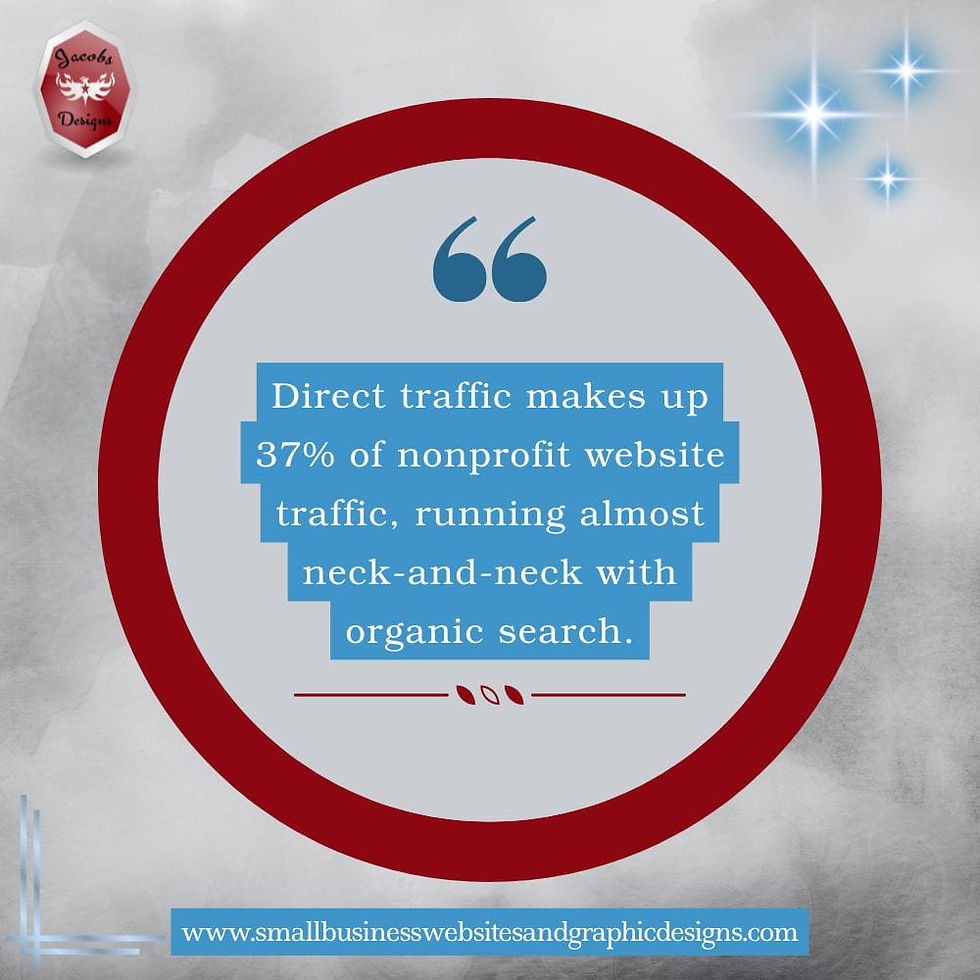
Wired Impact’s 2025 benchmark is a good reminder that search visibility already matters a lot: 37.5% of nonprofit website traffic came from organic search, and 38% of visitors landed on the homepage first. That means your traffic strategy and your website clarity are connected whether your team realizes it or not.
This is also why traffic strategy cannot really be separated from website experience. If your site is hard to navigate, unclear, or not built to guide visitors toward action, even the best traffic source can underperform. I talk more about that in How SEO and Website Design Work Together.
💪The Strengths of Free Traffic For Nonprofits
Free traffic has one major strength that paid traffic usually cannot match: it can keep working long after you publish the page.
A useful blog post, a strong service page, or a well-structured volunteer page can continue attracting visitors over time. Google’s SEO Starter Guide says sites that follow Search Essentials are more likely to show up in Google Search, and it frames SEO as improving your site’s presence in search through common, effective improvements.
For nonprofits, that matters because organic search is already a major discovery channel. Wired Impact found 37.5% of nonprofit traffic came from organic search, and organic plus direct traffic made up nearly 75% of visits combined.
Free traffic also supports trust and education in a way that many nonprofits need. Blog posts, FAQ pages, mission pages, resource pages, and local service pages can answer real questions before someone is ready to donate or volunteer. That is one reason blog content matters: Wired Impact found blog posts had the longest average time on page at 37 seconds, which suggests that useful content can hold attention even when it is not the final conversion page.
For nonprofits that are still getting familiar with search visibility, SEO does not have to be as complicated as it sounds. Nonprofit SEO Basics for Small Teams breaks down the foundational pieces in a much simpler, more manageable way.
Where free traffic usually makes the most sense
When budget is tight
When your nonprofit needs long-term visibility
When your team can improve pages steadily over time
When you want content to keep working after it is published
When your organization serves a clear local or mission-based audience
💡The Limitations of Free Traffic
Free traffic is valuable, but it is not quick magic.
SEO takes time. Content takes time. Website cleanup takes time. Internal linking, page updates, and keyword planning all take time too. So while free traffic can be a smarter long-term investment for a lot of small teams, it does ask for patience and consistency.
It also depends heavily on the quality of the website behind it. Google says 53% of visits are likely to be abandoned if a mobile page takes longer than 3 seconds to load, and Google’s page-speed research found that as page load time goes from 1 second to 10 seconds, the probability of a mobile visitor bouncing increases 123%.
So yes, nonprofits can get traffic without a big budget. But free traffic still requires a usable website, clear pages, and a willingness to keep improving things that may not pay off overnight. I design websites and social media graphics that keep the user journey in mind because I believe that your website should be your “online home”.
🧠The Strengths of Paid Traffic For Nonprofits
Paid traffic solves a different problem.
Its biggest advantage is speed. If your nonprofit has a time-sensitive fundraiser, an event registration deadline, an awareness campaign, or a seasonal push, paid traffic can put your message in front of people much faster than SEO usually can.
It can also be useful for testing. Paid campaigns can help you test:
messaging
calls to action
landing pages
audiences
offers
campaign timing
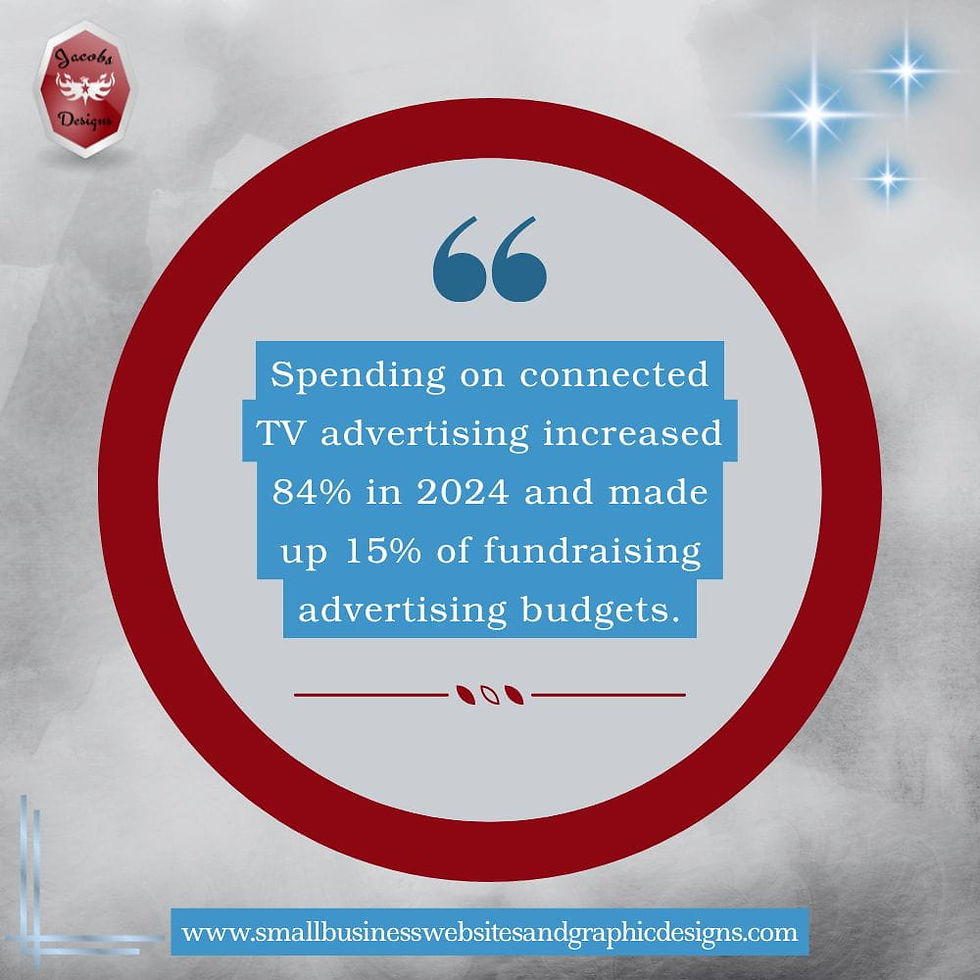
And nonprofits are clearly investing in this. M+R’s 2025 Benchmarks found digital ad spend increased 11% in 2024, with nonprofits reinvesting $0.14 in digital ads for every $1 of online revenue. It also found 72% of advertising spending was dedicated to direct fundraising, and search advertising had the highest ROAS at $2.23.
That does not mean every nonprofit should rush into ads. But it does show that paid traffic is not automatically a bad fit for nonprofits. In the right situation, it can be useful and measurable.
🔎The Limitations of Paid Traffic

Paid traffic can buy attention, but it cannot fix a confusing website.
That is the part a lot of organizations learn the hard way. If your landing page is vague, slow, cluttered, or not built around one clear action, paid traffic can simply help you waste money faster.
Google’s search and page-experience guidance consistently points back to usefulness, clarity, and page quality rather than just visibility. Google also says Search Console can show which pages and queries are getting impressions and clicks, which is helpful when a team needs to figure out whether the problem is low visibility or weak click-through after visibility.
Paid traffic often looks like a promotion problem, but sometimes it is really a page problem.
🛠Where Google Ad Grants Fit Into The Conversation
Google Ad Grants deserve their own category because they sit right in the middle of google ad grants vs SEO for nonprofits.
They are free in budget terms, but they still behave like paid search in strategy terms.
Google says eligible nonprofits can receive up to $10,000 per month in search ads. That is a real opportunity. But it does not remove the need for keyword targeting, strong landing pages, relevant calls to action, and conversion tracking.
Google Ad Grants often sound like the perfect middle ground because they give nonprofits search visibility without the same direct ad spend as traditional paid campaigns. But in practice, they still need the right keywords, landing pages, and calls to action to perform well. I go deeper into that in Why Google Ad Grants Don’t Work for Most Nonprofits — and How to Fix Them.
✅So What Should Nonprofits Focus on First?
This is the real question.
And the honest answer is: it depends on what your nonprofit is ready to support.
Focus on free traffic first if…
your budget is tight
your website still needs foundational cleanup
you want sustainable visibility over time
your team can commit to steady, manageable improvements
you need better search visibility for programs, services, donations, or volunteers
Focus on paid traffic first if…
you have a time-sensitive campaign
you need faster visibility
you already have a strong landing page and clear CTA
you have budget to support testing and management
the campaign has a specific short-term goal
Focus on both if…
your website is reasonably strong already
your team understands its top priorities
you want long-term visibility and short-term campaign support
you can treat paid traffic as a layer, not a rescue plan
For most small nonprofits, my honest recommendation is this: build the foundation first. Improve the website. Clarify the pages. Strengthen SEO basics. Then layer in paid traffic where speed or campaign timing actually matters. I can help you build that foundation through my website design services.
📆A Simple Traffic Strategy for Small Nonprofits
Here is the kind of phased approach I would recommend to a small team.
If your team is unsure what content to create first, keyword research can help you prioritize pages and topics that are more likely to match what people are already looking for. Keyword Research for Nonprofits (Without Overwhelm) can help simplify that process.
Phase 1: Fix the foundation
Clarify your homepage message
Improve donation, volunteer, and contact pages
Make calls to action easier to find
Simplify navigation
Make sure the site works well on mobile
Phase 2: Strengthen free traffic channels
Improve basic SEO
Do lighter keyword research
Publish helpful blog content
Add internal links between related pages
Use Search Console to see what pages are already getting impressions and clicks
Phase 3: Add paid traffic intentionally
Promote strong landing pages
Test campaign messages
Support events or seasonal fundraising
Use ads for specific goals, not vague awareness alone
That is usually a healthier path than jumping straight into ads and hoping traffic will solve deeper website issues.
🌟Conclusion About Free vs Paid Traffic
Free traffic and paid traffic are not enemies.
They solve different problems.
Free traffic helps build long-term visibility and trust. Paid traffic helps create faster reach and support time-sensitive campaigns. Google Ad Grants sit somewhere in the middle, giving nonprofits access to search visibility without direct ad spend, but still requiring real strategy.
For most small nonprofits, the best starting point is usually not “do everything.” It is choose the next right thing based on your budget, your goals, and how ready your website is to support the traffic you want.
That is what makes a traffic strategy realistic.
✨FAQs About Free vs Paid Traffic
What is free traffic for nonprofits?
Free traffic includes visitors who come from unpaid channels like SEO, organic search, referrals, organic content, and sometimes Google Ad Grants, where there is no direct advertising cost to the nonprofit.
What is paid traffic for nonprofits?
Paid traffic includes visitors from channels where the nonprofit pays for visibility, such as Google Ads, Meta ads, boosted posts, retargeting campaigns, and sponsored promotion.
Is SEO better than paid ads for nonprofits?
Not always. SEO is often better for long-term visibility and compounding results, while paid ads can be better for short-term campaigns and faster testing. Wired Impact’s benchmark shows organic search is already a major nonprofit traffic source, while M+R’s benchmark shows nonprofits are also investing significantly in advertising.
Are Google Ad Grants free traffic or paid traffic?
They are a mix. Google Ad Grants are free in cost, but they still work like paid search in terms of keywords, landing pages, and conversions. Google says eligible nonprofits can receive up to $10,000 per month in search advertising.
What should small nonprofits focus on first?
Usually a clearer website and a stronger free traffic foundation first, then paid traffic once the organization has clear goals, stronger landing pages, and the ability to measure results. Google’s Search guidance and Search Console documentation support focusing on clear pages, relevant search presence, and measurable performance.

Comments